How LEED and Other Certifications Make a Project Premium
the modern construction and real estate market, sustainability and quality are more than trends—they are standards. Certifications like LEED (Leadership in Energy and Environmental Design) and other green building accreditations are increasingly recognized as marks of excellence. Projects with these certifications are often perceived as premium, offering better environmental performance, energy efficiency, and long-term value. This blog explores how LEED and similar certifications enhance the prestige, profitability, and appeal of construction projects.
Understanding LEED and Other Certifications
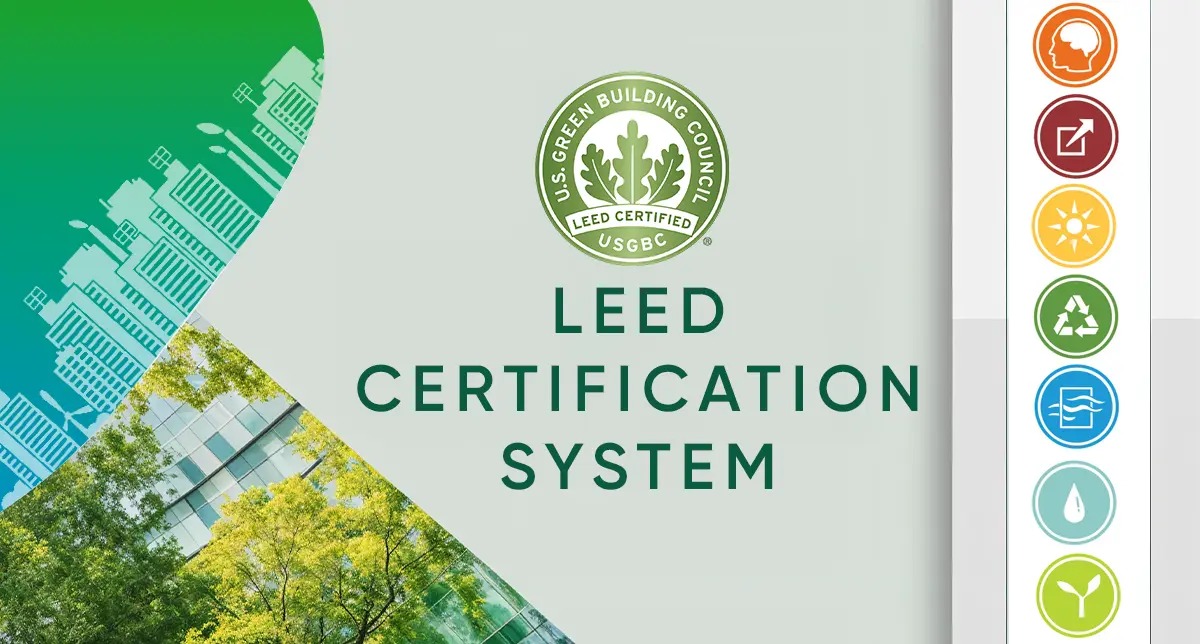
LEED is a globally recognized green building certification program developed by the U.S. Green Building Council (USGBC). It evaluates buildings across multiple sustainability metrics, including energy efficiency, water conservation, materials selection, indoor environmental quality, and site planning.
Other certifications include:
BREEAM (Building Research Establishment Environmental Assessment Method): Widely used in Europe, focuses on sustainable design and building performance.
WELL Building Standard: Emphasizes human health and well-being, including air quality, lighting, and wellness features.
Green Star: Popular in Australia, assesses environmental design and performance.
EDGE (Excellence in Design for Greater Efficiencies): Focused on emerging markets, emphasizing energy, water, and material efficiency.
These certifications assess the holistic performance of a building, ensuring it meets strict environmental, social, and operational standards.
How Certifications Add Premium Value
1. Enhanced Marketability
Buildings with recognized certifications are inherently more attractive to buyers, tenants, and investors. Certifications signal:
Commitment to sustainability
Reduced environmental footprint
Long-term operational efficiency
These factors make certified projects stand out in competitive markets, allowing developers to market them as premium properties and command higher prices.
2. Energy and Cost Efficiency
Certifications like LEED require buildings to use energy-efficient systems, including:
High-performance HVAC systems
LED lighting and smart controls
Insulated walls, windows, and roofing
Energy-efficient buildings reduce operational costs significantly. Lower utility bills and long-term savings enhance the property’s value and appeal, making it more desirable in the market.
3. Improved Indoor Environmental Quality
Certifications emphasize indoor environmental quality (IEQ) through:
Proper ventilation and air purification
Use of low-VOC paints, adhesives, and finishes
Optimal lighting and acoustics
Thermal comfort
Healthy, comfortable indoor environments improve occupant satisfaction, productivity, and well-being. Buyers and tenants are often willing to pay a premium for properties that ensure better living or working conditions.
4. Sustainability as a Status Symbol
Green certifications are increasingly associated with prestige. A certified building reflects:
Forward-thinking design
Environmental responsibility
Commitment to social and corporate governance (ESG) standards
This premium perception attracts high-end buyers, investors, and tenants who value sustainability and modern living standards.
5. Regulatory and Incentive Benefits
Many governments provide incentives for certified green buildings:
Tax rebates or reductions
Faster permitting processes
Reduced fees or grants for sustainable construction
These benefits reduce project costs and enhance the economic viability of premium development, indirectly increasing market value.
LEED Certification and Property Value
LEED-certified buildings are often associated with higher resale and rental values. Research shows:
Higher Sales Price: LEED-certified residential and commercial buildings can achieve up to 10–20% higher selling prices than non-certified counterparts.
Faster Lease Rates: Office and commercial spaces with LEED certification often experience shorter vacancy periods.
Lower Operational Costs: Energy and water savings reduce monthly operational expenses, making properties more profitable over time.
Certification provides measurable evidence that a building meets strict performance standards, reassuring buyers and tenants that the investment is worthwhile.
Other Certifications and Their Premium Impact
BREEAM
BREEAM evaluates energy, water, materials, waste, pollution, and ecology. Properties with BREEAM certification are:
Recognized for environmental performance
Able to attract eco-conscious tenants
Often eligible for incentives in European markets
WELL Building Standard
WELL certification focuses on human health and comfort, including air, water, nutrition, light, fitness, and mental well-being. Premium benefits include:
Enhanced employee productivity in offices
Higher tenant satisfaction in residential and commercial buildings
Strong differentiation in competitive markets
Green Star
Green Star certification assesses sustainable design and building performance. It enhances the project’s market appeal by highlighting:
Energy and water efficiency
Use of sustainable materials
Reduced environmental impact
Material and Design Choices That Support Certification
Certified projects require careful selection of materials and design strategies:
Sustainable Materials: FSC-certified wood, recycled metals, low-impact tiles, and natural finishes.
Energy-Efficient Design: Passive solar orientation, high-performance insulation, and LED lighting.
Water Conservation: Low-flow fixtures, rainwater harvesting, and greywater recycling.
Waste Management: Recycling construction waste and using prefabricated components to reduce onsite waste.
These design choices not only support certification requirements but also elevate the project’s premium appeal.
Marketing a Certified Project
Certified buildings can be marketed as premium and future-ready through:
Highlighting energy savings, lower utility costs, and sustainability features.
Showcasing healthy living and working environments.
Using certification logos and ratings in promotional materials.
Emphasizing long-term ROI and reduced maintenance costs.
Proper marketing leverages the certification to differentiate the property and attract environmentally conscious and high-paying buyers.
Challenges and Considerations
While certifications add premium value, developers must consider:
Initial Investment: Certification processes may increase upfront costs due to audits, sustainable materials, and energy-efficient systems.
Time Requirements: Certification documentation, inspections, and approvals can extend project timelines.
Continuous Compliance: Maintaining certification may require ongoing monitoring, reporting, and operational adjustments.
Despite these challenges, the long-term financial and reputational benefits often outweigh the initial investment.
Conclusion
LEED and other green building certifications are more than eco-labels—they are marks of quality, sustainability, and premium value. Certified projects demonstrate superior energy efficiency, reduced environmental impact, and enhanced occupant comfort, making them highly desirable in today’s real estate market.
From energy savings and health benefits to increased marketability and prestige, certifications elevate a building’s status and justify higher pricing. In addition, government incentives and regulatory benefits further enhance the economic advantage of certified projects.
For developers, investors, and homeowners, incorporating LEED or other certifications is not just an environmentally responsible choice—it is a strategic move that transforms a construction project into a premium, profitable, and future-ready asset.
Certified buildings stand out in the competitive market, attract high-quality tenants and buyers, and maintain value over time. By embracing green building certifications, projects achieve a balance of sustainability, functionality, and luxury—ultimately delivering superior long-term returns.
Share this Post:
Latest Blog