Budget Control and Cost Saving in Construction: Strategies for Efficient Project Management
Construction projects, whether residential, commercial, or industrial, involve significant investments. Managing expenses effectively is crucial to ensure projects are completed on time, within budget, and without compromising quality. Budget control and cost saving are essential components of successful construction management, helping developers, contractors, and homeowners maximize value while minimizing financial risks.
Importance of Budget Control in Construction
Budget control is the process of planning, monitoring, and managing construction costs to prevent overspending. Proper budget management ensures that every financial decision aligns with project goals and resources. The importance of budget control can be summarized as follows:
Prevent Cost Overruns: Construction projects often face unexpected expenses. A controlled budget helps anticipate and mitigate these risks.
Optimize Resource Allocation: Proper budgeting ensures materials, labor, and equipment are used efficiently.
Maintain Project Quality: Cost management allows for high-quality materials and workmanship without overspending.
Improve Project Planning: Accurate budget control enhances scheduling, resource planning, and decision-making.
Increase Profitability: For commercial projects, efficient budget management maximizes returns on investment.
Without proper budget control, projects are susceptible to delays, compromises in quality, and financial losses.
Common Challenges in Construction Budget Management
Budget control in construction is complex due to several factors:
Fluctuating Material Costs: Prices of steel, cement, timber, and other essential materials can vary significantly.
Labor Expenses: Skilled labor may demand higher wages, and delays can increase labor costs.
Design Changes: Modifications during construction can lead to additional expenses.
Unexpected Site Conditions: Soil quality, underground utilities, or weather-related challenges can increase costs.
Inefficient Resource Use: Waste, theft, or mismanagement of materials and equipment can inflate budgets.
Understanding these challenges is the first step toward implementing effective cost-saving strategies.
Key Strategies for Budget Control in Construction
1. Detailed Planning and Cost Estimation
Accurate project planning and cost estimation form the foundation of budget control.
Define Project Scope: Clearly outline the objectives, materials, labor, and timelines.
Prepare a Detailed Bill of Quantities (BoQ): List all required materials and quantities with accurate cost estimates.
Include Contingency Funds: Allocate a portion of the budget for unexpected expenses.
Thorough planning reduces the risk of surprises and ensures better financial management throughout the project.
2. Smart Material Selection
Material choice significantly affects the overall budget.
Compare Prices: Evaluate multiple suppliers to get competitive rates.
Opt for Durable Materials: Quality materials reduce maintenance and replacement costs in the long term.
Use Local Resources: Locally sourced materials often reduce transportation costs and delivery time.
Smart material selection balances cost, quality, and sustainability.
3. Efficient Labor Management
Labor is one of the most significant expenses in construction. Efficient labor management can lead to substantial cost savings:
Hire Skilled Workers: Experienced labor reduces errors and rework.
Schedule Properly: Avoid downtime and idle labor through careful scheduling.
Outsource When Necessary: Specialized tasks can be outsourced to reduce overall costs.
Effective labor management ensures productivity while controlling wage expenses.
4. Adopt Modern Technology
Modern construction technologies help reduce costs and improve efficiency:
Building Information Modeling (BIM): Provides accurate project visualization and reduces errors.
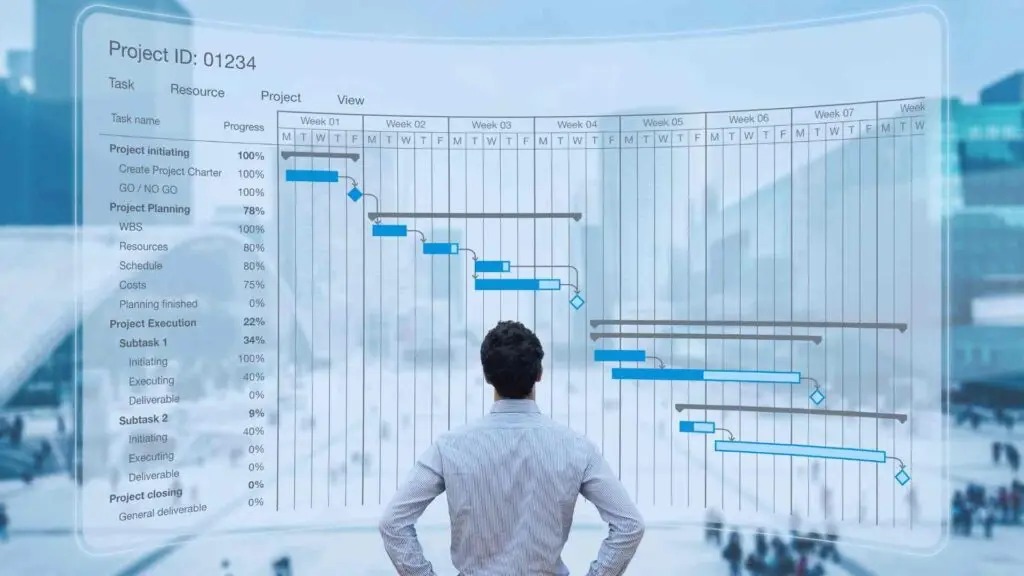
Project Management Software: Tracks budgets, timelines, and resource allocation in real time.
Automation and Prefabrication: Pre-made components reduce labor and construction time.
Drones and Site Monitoring: Minimize inspection costs and enhance safety.
Integrating technology ensures projects run smoothly and reduces unnecessary expenditures.
5. Waste Reduction and Resource Optimization
Construction waste is a major contributor to unnecessary costs. Reducing waste and optimizing resources saves money:
Plan Material Orders Accurately: Avoid over-ordering materials.
Reuse and Recycle Materials: Salvage wood, steel, and concrete for other parts of the project.
Monitor Usage: Keep track of materials and equipment to prevent theft or misuse.
Reducing waste not only saves money but also contributes to sustainable construction practices.
6. Regular Budget Monitoring
Continuous monitoring is critical for maintaining budget control:
Track Actual vs. Planned Costs: Compare expenses with the initial budget regularly.
Identify Deviations Early: Detect overspending or inefficiencies immediately.
Adjust Plans as Needed: Modify schedules, resource allocation, or material usage to stay on track.
Regular monitoring ensures that financial decisions are proactive rather than reactive.
7. Negotiation and Vendor Management
Effective negotiation with suppliers and subcontractors can significantly reduce costs:
Bulk Orders: Purchase materials in bulk for discounts.
Long-Term Contracts: Lock in prices for materials and services.
Competitive Bidding: Invite multiple contractors to ensure fair pricing.
Vendor management ensures cost-effective procurement without compromising quality.
Cost-Saving Tips for Construction Projects
Plan Ahead: Early planning prevents last-minute changes and additional costs.
Choose Energy-Efficient Systems: Invest in sustainable energy solutions to save long-term utility expenses.
Use Modular or Prefabricated Components: Reduces labor time, waste, and material costs.
Implement Preventive Maintenance: Proper upkeep of machinery and equipment avoids costly breakdowns.
Avoid Scope Creep: Stick to the original project plan to prevent unnecessary expenses.
By implementing these strategies, construction projects can achieve substantial cost savings while maintaining quality and timelines.
Role of Project Management in Budget Control
Project managers play a pivotal role in budget control:
Budget Planning: Develop detailed financial plans and forecasts.
Resource Allocation: Ensure materials, labor, and equipment are used efficiently.
Monitoring and Reporting: Track expenses, identify variances, and report to stakeholders.
Risk Management: Prepare contingency plans for unforeseen issues.
Strong project management ensures that budget control is not a one-time task but a continuous process throughout the construction lifecycle.
Benefits of Effective Budget Control
On-Time Project Completion: Efficient budgeting reduces delays caused by financial constraints.
Higher Quality: Resources can be allocated to ensure quality materials and workmanship.
Reduced Financial Risk: Anticipating costs and monitoring expenses prevents overspending.
Sustainability: Efficient use of materials and resources reduces waste and environmental impact.
Enhanced Profitability: For commercial projects, controlled costs lead to higher ROI.
Budget control transforms construction from a high-risk venture into a well-planned, efficient, and profitable process.
Conclusion
Budget control and cost saving are critical elements of successful construction management. From accurate planning and smart material selection to labor management, waste reduction, and modern technology integration, effective strategies ensure projects are completed on time, within budget, and without compromising quality.
Continuous monitoring, strong project management, and efficient vendor negotiations further contribute to financial efficiency. By implementing these practices, construction professionals can maximize resources, reduce unnecessary expenditures, and deliver high-quality, sustainable, and profitable projects.
Effective budget control is not just about limiting costs—it is about smart management, strategic decision-making, and maximizing value. By adopting these principles, every construction project can achieve its financial, functional, and aesthetic goals while minimizing risk and ensuring long-term success.
Share this Post:
Latest Blog