Accurate Planning and Time Management in Construction: Keys to Project Success
Construction projects, whether residential, commercial, or industrial, involve significant investments of time, money, and resources. Without accurate planning and effective time management, even the best-designed projects can face delays, cost overruns, and compromised quality. Proper planning and scheduling are essential to ensure projects are completed efficiently, within budget, and to the highest standards.
Importance of Accurate Planning in Construction
Planning is the foundation of any successful construction project. It involves defining project goals, scope, resources, timelines, and strategies to achieve desired outcomes. Accurate planning ensures that every phase of the project is organized, predictable, and manageable.
Prevents Delays: Planning identifies potential bottlenecks and obstacles in advance, allowing for timely mitigation.
Optimizes Resources: Proper planning ensures materials, labor, and equipment are allocated efficiently.
Controls Costs: By anticipating expenses, planners can reduce the risk of overspending.
Ensures Quality: Planning allows for adequate time and resources to maintain high construction standards.
Improves Communication: Detailed plans facilitate coordination among stakeholders, contractors, and suppliers.
Without meticulous planning, projects are vulnerable to unexpected challenges that can disrupt timelines and inflate costs.
Key Elements of Accurate Construction Planning
1. Defining Project Scope
Understanding and documenting the project scope is the first step in planning:
Project Objectives: Clearly state the purpose, design, and intended outcomes.
Deliverables: List all the components, structures, or spaces to be completed.
Specifications: Include materials, finishes, and standards to ensure quality.
Limitations: Recognize constraints such as budget, site conditions, and regulatory requirements.
A well-defined scope prevents misunderstandings, scope creep, and unnecessary delays.
2. Detailed Work Breakdown Structure (WBS)
A Work Breakdown Structure divides the project into smaller, manageable tasks:
Task Identification: List all activities required for each phase of construction.
Sequencing: Determine the logical order of tasks for efficient workflow.
Responsibility Assignment: Assign specific teams or individuals to each task.
Milestones: Define key milestones to monitor progress and completion.
A detailed WBS improves organization, accountability, and tracking throughout the project lifecycle.
3. Accurate Resource Estimation
Estimating resources ensures that labor, materials, and equipment are available when needed:
Material Planning: Calculate quantities and costs for each phase.
Labor Requirements: Assess the number and skill levels of workers required.
Equipment Needs: Ensure the right tools and machinery are available at the right time.
Accurate resource estimation reduces delays, avoids shortages, and prevents overstocking.
4. Risk Assessment and Contingency Planning
Construction projects face uncertainties such as weather, site conditions, or supply delays. Risk assessment and contingency planning are essential:
Identify Risks: List potential problems that could impact timelines or costs.
Mitigation Strategies: Develop solutions or alternatives to minimize risks.
Contingency Budget: Allocate funds for unforeseen expenses or delays.
Being prepared for risks ensures smoother project execution and reduces surprises.
Time Management in Construction
Effective time management is closely linked to accurate planning. It ensures that each task is completed within the allocated timeframe and resources are used efficiently.
1. Developing a Project Schedule
A detailed schedule outlines the start and end dates for each task:
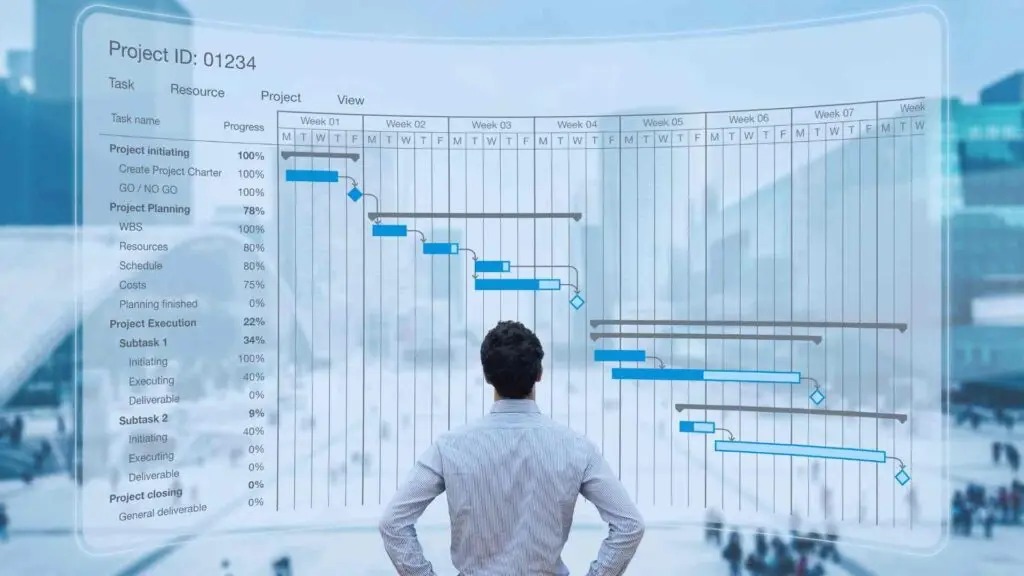
Gantt Charts: Visualize tasks, durations, dependencies, and milestones.
Critical Path Method (CPM): Identify tasks that directly impact project completion.
Timeline Buffers: Include extra time for potential delays or unforeseen issues.
A clear schedule improves coordination, prevents bottlenecks, and ensures timely completion.
2. Prioritization of Tasks
Not all tasks have equal importance. Prioritizing ensures that critical activities receive attention first:
High-Priority Tasks: Activities that impact structural integrity, safety, or deadlines.
Medium-Priority Tasks: Tasks important for workflow but not immediately critical.
Low-Priority Tasks: Cosmetic or non-essential activities that can be adjusted if needed.
Prioritization helps allocate resources efficiently and keeps the project on track.
3. Coordination and Communication
Effective time management requires seamless communication among all stakeholders:
Daily or Weekly Meetings: Track progress, address issues, and update schedules.
Collaboration Tools: Use project management software for real-time updates.
Clear Reporting: Ensure contractors, suppliers, and teams are aware of deadlines.
Strong communication reduces misunderstandings and prevents time losses.
4. Monitoring Progress and Adjustments
Continuous monitoring ensures that timelines are maintained:
Track Task Completion: Compare actual progress with the schedule.
Identify Delays Early: Address issues promptly before they escalate.
Adjust Plans as Needed: Reallocate resources, extend timelines, or modify strategies when required.
Monitoring and adjusting ensures that minor setbacks do not turn into major delays.
Modern Tools for Planning and Time Management
Technology plays a significant role in accurate planning and time management:
Project Management Software: Tools like Procore, Microsoft Project, or PlanGrid provide timelines, task assignments, and progress tracking.
Building Information Modeling (BIM): Allows digital visualization of the entire project to coordinate tasks and prevent clashes.
Drones: Monitor site progress, inspect areas, and improve efficiency.
Automation: Prefabrication and modular construction reduce on-site time and labor requirements.
Using modern tools ensures precision, efficiency, and real-time control over construction projects.
Benefits of Accurate Planning and Time Management
On-Time Completion: Proper planning and scheduling prevent delays and ensure deadlines are met.
Cost Efficiency: Efficient use of resources reduces wastage and avoids unexpected expenses.
Higher Quality: Adequate time allocation ensures proper execution and attention to detail.
Improved Safety: Organized workflows reduce accidents caused by rushed or uncoordinated work.
Client Satisfaction: Timely delivery and high-quality execution enhance client trust and reputation.
Projects with accurate planning and effective time management are more predictable, efficient, and profitable.
Conclusion
Accurate planning and time management are the cornerstones of successful construction projects. From defining project scope and developing detailed schedules to resource allocation, risk management, and monitoring, every step is essential to ensure smooth execution.
Modern tools like project management software, BIM, and automation streamline processes, reduce errors, and save time and costs. Coordinating teams, prioritizing tasks, and continuous monitoring further strengthen efficiency and prevent delays.
Effective planning and time management are not just about meeting deadlines—they ensure that construction projects are completed within budget, with high quality, and with maximum client satisfaction. By prioritizing these practices, construction professionals can achieve successful, efficient, and profitable outcomes while minimizing risks and enhancing overall project performance.
Share this Post:
Latest Blog